
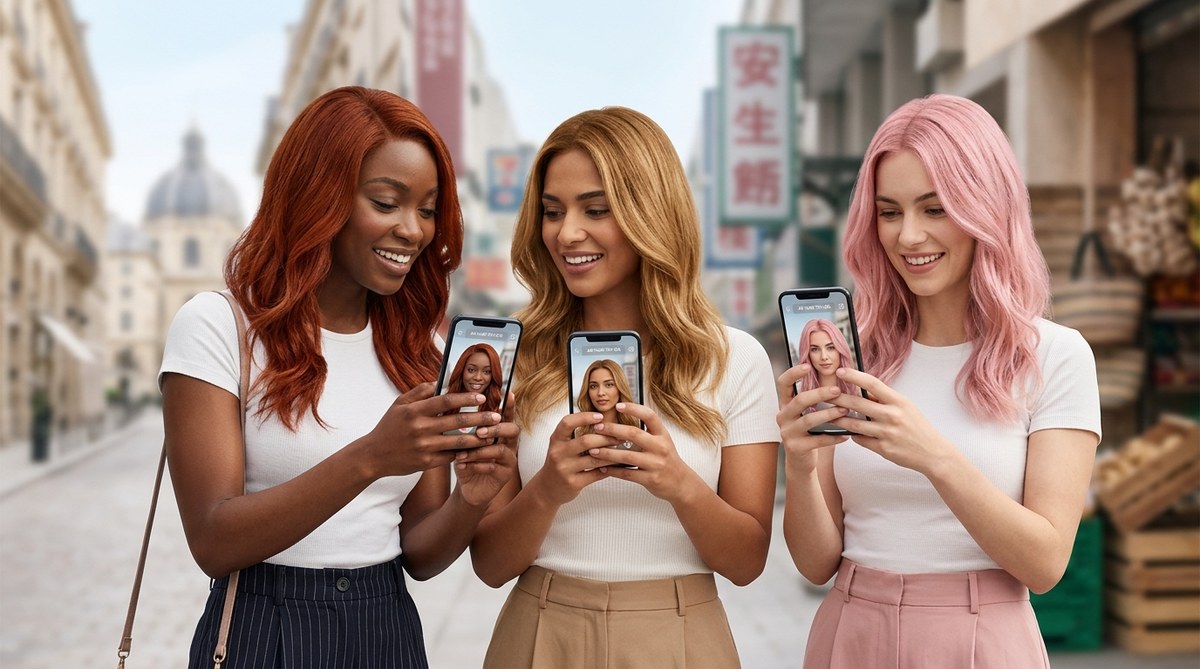
Unlocking the full potential of augmented reality in beauty campaigns requires more than just technical know-how. It demands a deep understanding of local cultures, preferences, and technological landscapes. L’Oréal’s recent multi-market AR hair color campaign serves as a prime example of how strategic localization can elevate global brand initiatives. By tailoring AR filters to resonate with diverse audiences, L’Oréal has set a new standard for personalized beauty tech experiences. This article breaks down how to effectively localize AR campaigns like theirs, ensuring your brand connects authentically with each market.
The significance of localization in AR campaigns
Localization in augmented reality is more than just translating text or changing colors. It involves adapting your AR experiences to align with local cultural nuances, beauty standards, and user behaviors. When done correctly, it enhances user engagement, builds trust, and boosts conversion rates. L’Oréal’s campaign demonstrates how culturally relevant AR filters can foster a stronger emotional connection with consumers across different regions.
For instance, a hair color filter that celebrates a festival or traditional hairstyle can resonate more deeply than a generic version. By understanding regional preferences, brands can create immersive experiences that feel personal and authentic.
How L’Oréal’s multi-market AR hair color campaign succeeded through localization
L’Oréal’s approach involved customizing AR filters for each market’s unique beauty trends and cultural symbols. They didn’t just launch a one-size-fits-all filter. Instead, they researched local hair color trends, popular styles, and even linguistic nuances. This allowed them to craft filters that felt native to each audience.
The campaign’s success was driven by several key tactics:
– Cultural relevance: Incorporating regional hairstyles, colors, and motifs.
– Language adaptation: Using local languages for instructions and engagement prompts.
– Market-specific user experience: Adjusting filter features based on local device capabilities and social media habits.
By doing this, L’Oréal maximized relevance and appeal, making each audience feel seen and understood.
Step-by-step guide to localizing your AR hair color campaign
Achieving similar success involves a thoughtful process. Here are practical steps to tailor your AR campaign to different markets:
-
Research regional preferences and cultural symbols
Start by analyzing local beauty standards, hair trends, and cultural symbols associated with hair and color. Use surveys, social listening, and influencer insights to gather data. -
Collaborate with local experts
Work with regional beauty influencers or cultural consultants who understand audience nuances. Their input ensures your filters resonate authentically. -
Customize visual elements
Design filters that incorporate local motifs, traditional patterns, or regional aesthetics. Adjust color palettes to match popular hair shades in each market. -
Translate and adapt language prompts
Ensure all instructions, hashtags, and engagement prompts are translated accurately. Use colloquial language that feels natural to each audience. -
Test on local devices and platforms
Verify filter performance across devices and social platforms popular in each region. Optimize for different internet speeds and hardware capabilities. -
Gather feedback and iterate
Launch pilot versions, collect user feedback, and refine filters to improve cultural fit and technical performance. -
Leverage local marketing channels
Promote filters through regional social media campaigns, influencer collaborations, and localized advertising.
Techniques for effective AR campaign localization
| Technique | Description | Common Mistakes |
|---|---|---|
| Cultural research | Deep dive into local trends, symbols, and preferences | Assuming uniform tastes across regions |
| Language adaptation | Translating prompts with local idioms and slang | Literal translations that feel awkward or stilted |
| Visual customization | Incorporating regional motifs and colors | Using generic designs that lack local relevance |
| Device optimization | Ensuring filters work seamlessly on popular local hardware | Neglecting regional device specifications |
| User testing | Conducting localized testing sessions | Launching without regional user feedback |
“Understanding cultural nuances is critical. Even small details like color choices or gesture prompts can make or break user engagement.” — AR industry expert
Practical tips for creating localized AR filters
- Keep your designs simple yet meaningful to avoid cultural misinterpretations.
- Use local influencers to showcase your filters in real-life contexts.
- Stay updated with regional festivals, holidays, and trending topics for timely relevance.
- Regularly analyze performance metrics and feedback to fine-tune your filters.
Common pitfalls in AR localization and how to avoid them
| Mistake | Explanation | Solution |
|---|---|---|
| Overgeneralization | Assuming one version fits all markets | Conduct thorough local research |
| Ignoring language nuances | Using direct translations that seem awkward | Collaborate with native speakers for content |
| Cultural insensitivity | Overlooking cultural symbols or practices | Consult cultural experts early in the process |
| Technical oversight | Failing to optimize filters for regional devices | Test on local hardware and platforms |
Expert advice for successful AR campaign localization
“Localization is about more than translation. It’s about understanding your audience’s worldview. When you align your campaign with cultural values, you create a truly engaging experience.” — AR strategist
Wrapping up your personalized AR journey
By paying close attention to local preferences and cultural contexts, your brand can replicate L’Oréal’s success in creating authentic, engaging AR hair color campaigns across markets. Start with comprehensive research, collaborate with regional experts, and continuously refine based on feedback. Personalized AR experiences aren’t just a trend—they’re a powerful tool for building genuine connections. Applying these principles will help your brand stand out and foster lasting loyalty in diverse markets.
Putting localization into action for your brand
Create AR filters that speak directly to your audience’s culture and style. Use local insights to inform your design choices, language, and marketing channels. A well-localized campaign can turn casual users into loyal fans. Take inspiration from L’Oréal’s example and make your AR efforts truly personal. Your next big breakthrough may be just a few culturally tuned filters away.