
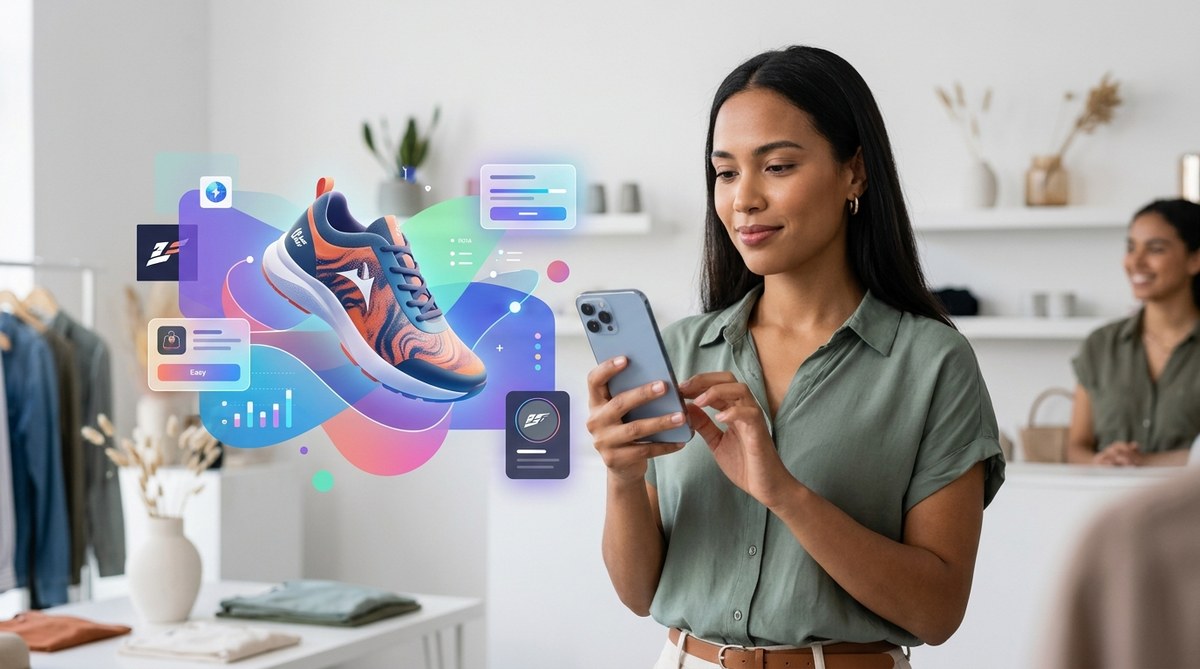
Getting your business noticed in 2026 often means thinking outside the box. Augmented reality offers a fresh, engaging way to connect with customers. And the best part? You don’t need coding skills to jump in. No-code AR platforms make it simple for small business owners and marketers to create immersive experiences that captivate audiences. Whether it’s a fun filter, virtual try-on, or interactive ad, the right platform can elevate your branding efforts without a steep learning curve.
In 2026, small businesses can access a variety of no-code AR platforms that are easy to use, cost-effective, and powerful enough to create branded filters, virtual experiences, and marketing campaigns. Picking the right platform depends on your goals and technical comfort, but the options are more accessible than ever.
Why small businesses are turning to no-code AR in 2026
As AR becomes mainstream, small businesses no longer need big budgets or technical teams to get started. No-code platforms democratize AR creation, allowing anyone to craft engaging experiences. This shift enables brands to stand out on social media, enhance customer engagement, and run immersive campaigns that drive results. With tools designed for beginners, you can focus on your creative ideas without worrying about complex programming.
Top no-code AR platforms for small businesses in 2026
Choosing the right platform depends on your specific needs, goals, and comfort level. Here are some of the most popular options small businesses are turning to this year.
1. Spark AR Studio
Spark AR Studio remains a favorite for creating Instagram and Facebook filters. Its intuitive interface and large community support make it perfect for beginners. You can craft eye-catching effects, add face tracking, and even incorporate interactive elements without coding. Many brands use Spark AR to run viral campaigns or virtual try-ons, making it a solid choice for small businesses wanting to boost social media presence.
2. Effect House by TikTok
Effect House is TikTok’s answer to accessible AR creation. Its built-in tools focus on quick, engaging effects that can go viral on the platform. The platform offers a friendly interface and tutorials to help newcomers build effects that resonate with TikTok’s young, trend-driven audience. Small businesses aiming for TikTok virality will find Effect House’s no-code environment ideal.
3. Kivicube WebAR
Kivicube offers a WebAR platform that requires no app downloads. Its plug-and-play approach allows you to embed AR experiences directly into your website or social media pages. This makes it perfect for virtual product catalogs, virtual try-ons, or interactive banners. Kivicube’s user-friendly interface and comprehensive tutorials help newcomers get started quickly.
4. Blippar
Blippar’s no-code platform specializes in creating AR ads, virtual tours, and branded filters. Its drag-and-drop builder simplifies the process of designing AR experiences that can be deployed across multiple channels. Small businesses can use Blippar to run immersive marketing campaigns that increase customer engagement and brand awareness.
5. WebAR by 8th Wall
8th Wall’s WebAR platform supports complex experiences without coding. Its visual editor and templates allow small businesses to create location-based AR, virtual try-ons, and interactive experiences. It’s ideal for brands wanting to blend real-world environments with digital content, especially for retail and event marketing.
6. Metaverse Studio by Meta
Meta’s platform offers a no-code environment for building AR effects for Instagram and Facebook. Its guided tutorials and templates make it easy for beginners to create branded filters, interactive effects, and virtual experiences. It’s a great starting point for small businesses looking to leverage Meta’s massive user base.
How to pick the right platform for your brand
Selecting the best no-code AR platform involves considering your goals and resources. Here’s a simple process to guide your decision:
- Identify your primary goal. Do you want to create branded filters, virtual try-ons, interactive ads, or location-based experiences? Different platforms excel at different types of projects.
- Assess your technical comfort. Are you comfortable with visual editors, or do you prefer guided templates? Platforms like Spark AR Studio and Effect House are more beginner-friendly.
- Determine your distribution channels. Will your AR content be shared on social media, embedded on your website, or used in physical locations? Platforms like Kivicube WebAR and 8th Wall support web-based experiences.
- Consider your budget. Many platforms offer free tiers or affordable plans suited for small businesses.
- Test with a simple project. Pick one platform and create a basic AR filter or experience. This helps assess ease of use and fit.
Practical steps to get started with no-code AR in 2026
Follow these steps to launch your first AR experience:
- Choose a platform that aligns with your goals and comfort level.
- Sign up for a free account or trial to explore its features.
- Follow step-by-step tutorials, many platforms provide comprehensive guides for beginners.
- Create a simple AR filter or experience, such as a branded face filter or virtual product showcase.
- Test your project on multiple devices and gather feedback.
- Publish and share your AR content across social media or your website.
- Monitor engagement using platform analytics to refine your approach.
Best practices for creating effective AR campaigns
- Keep it simple. Focus on one clear message or feature.
- Make it shareable. Design effects that are fun or visually striking.
- Align with your brand. Use your brand colors, themes, and messaging.
- Test across devices. Ensure it works smoothly on smartphones and desktops.
- Use analytics. Track how users interact to optimize future campaigns.
“The key to success with no-code AR is starting small, learning as you go, and iterating based on user feedback. These tools empower small businesses to create memorable experiences without the need for a developer.” — AR marketing expert Jane Doe
Techniques for creating compelling AR experiences
| Technique | Best Practice | Common Mistake |
|---|---|---|
| Face filters | Use clear branding elements and fun effects | Overloading with too many effects |
| Virtual try-ons | Use high-quality images and accurate tracking | Poor lighting or low-quality visuals |
| Location-based AR | Align digital content with real-world cues | Ignoring user context or environment |
| Interactive elements | Incorporate tap or gesture triggers | Making interactions confusing or difficult |
| WebAR integration | Embed AR experiences directly into your site | Slow load times or complicated access |
Mistakes to avoid when choosing no-code AR tools
- Skipping tutorials. Not following platform guides can cause frustration.
- Ignoring device compatibility. Always test on actual smartphones.
- Overcomplicating the project. Start with simple effects before adding complexity.
- Neglecting user experience. Ensure your AR experience is easy to access and use.
- Not tracking results. Use analytics to measure success and improve.
Elevate your brand with accessible AR tools
Small businesses are fortunate in 2026. The surge of no-code AR platforms means you don’t need a big budget or coding skills to create immersive experiences. Focus on your brand story and let these tools help you share it in captivating ways. From Instagram filters to web-based virtual try-ons, AR is within reach for any small business ready to stand out.
Remember, experimentation is part of the journey. Start with one simple experience, learn from feedback, and gradually build more complex campaigns. With consistent effort, you can turn AR from a novelty into a core part of your marketing strategy.
Making the most of your no-code AR journey
Small businesses can leverage the power of AR to create memorable moments for their customers. Whether it’s a festive filter, a virtual fitting room, or an interactive product showcase, accessible platforms empower you to bring your ideas to life. Take advantage of tutorials, community forums, and trial plans to find what works best for your brand. Most importantly, have fun experimenting and connecting with your audience in new ways.