
Shopping from your phone isn’t just convenient anymore. It’s becoming the default way people buy everything from groceries to furniture. The numbers tell the story: mobile commerce now accounts for over 70% of all e-commerce sales, and that percentage keeps climbing. For retailers and marketers, understanding where mobile shopping is headed isn’t optional. It’s survival.
The future of mobile shopping centers on immersive technologies, frictionless payments, and hyper-personalized experiences. [Augmented reality](https://www.ncbi.nlm.nih.gov/pmc/articles/PMC8514061/) try-ons, voice-activated purchasing, AI-driven recommendations, and one-tap checkouts are transforming how customers browse and buy. Retailers who adopt these technologies early will capture market share, while those who wait risk losing customers to more innovative competitors. Success requires strategic implementation, not just following trends.
Technologies Reshaping How People Shop on Their Phones
Several technologies are converging to create shopping experiences that were science fiction five years ago. These aren’t distant possibilities. They’re happening right now.
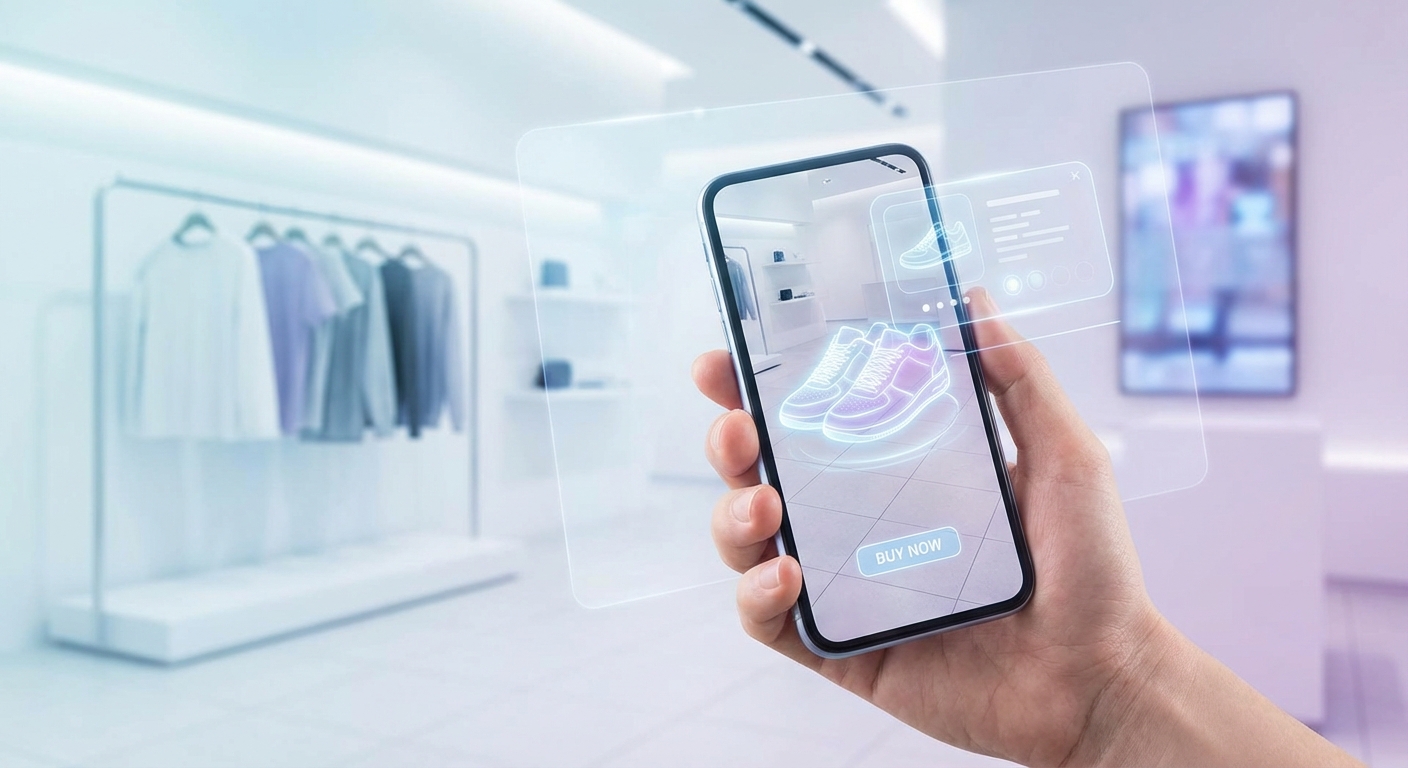
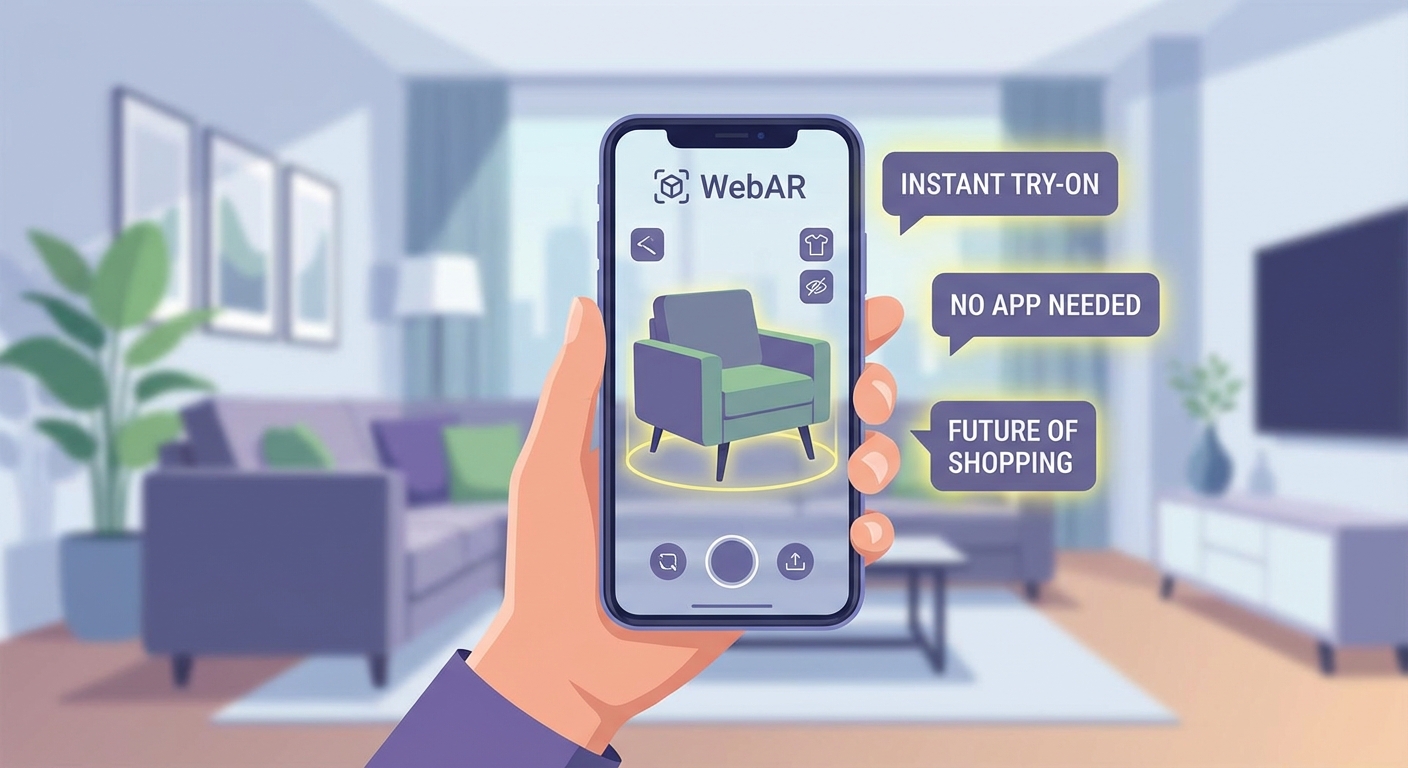
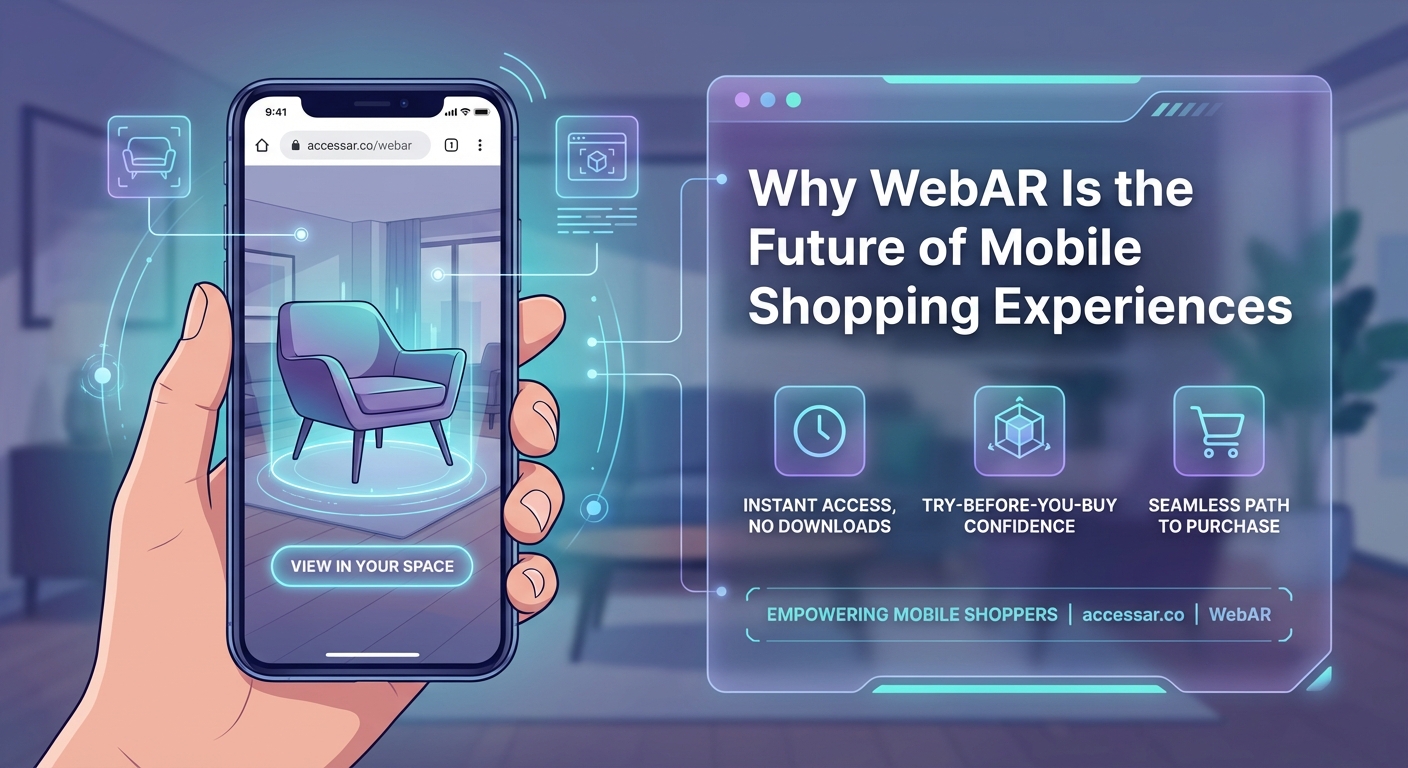
Augmented reality has moved from novelty to necessity. Customers can see how furniture fits in their living room before buying. They can try on makeup, glasses, or clothes without visiting a store. This isn’t just fun. It dramatically reduces return rates and increases buyer confidence.
Voice commerce is growing faster than most retailers expected. People are ordering products through smart speakers and voice assistants while cooking, driving, or getting ready for work. The interface is invisible, which makes the experience feel effortless.
Artificial intelligence powers recommendation engines that actually work. Instead of showing random products, modern AI analyzes browsing patterns, purchase history, and even the time of day to suggest items customers genuinely want. The accuracy is getting scary good.
Progressive web apps blur the line between websites and native apps. They load instantly, work offline, and send push notifications without requiring a download from an app store. For retailers, this means better engagement without the friction of app installation.
How Payment Innovation Removes Friction
Checkout used to be where sales died. Long forms, security concerns, and complicated payment steps caused massive cart abandonment. That’s changing fast.
Digital wallets like Apple Pay and Google Pay have made checkout feel instant. One tap, face scan, or fingerprint, and the purchase is complete. No typing credit card numbers. No filling out shipping addresses for the hundredth time.
Buy now, pay later services have become standard options at checkout. Younger shoppers especially appreciate splitting purchases into installments without interest. This isn’t just a payment method. It’s a conversion tool that increases average order values.
Biometric authentication adds security without adding steps. Face recognition and fingerprint scanning are faster than passwords and more secure. Customers feel protected without feeling inconvenienced.
Cryptocurrency payments are still niche but growing. Some retailers accept Bitcoin and other digital currencies, appealing to tech-savvy customers who prefer decentralized payment methods. The adoption curve is slow but steady.
Personalization That Actually Feels Personal
Generic product recommendations feel spammy. Smart personalization feels helpful. The difference comes down to data and implementation.
Modern personalization engines track hundreds of signals:
- Previous purchases and browsing history
- Time spent on specific product pages
- Items added to cart but not purchased
- Search queries and filters used
- Device type and location
- Weather and local events
- Social media activity and preferences
This data creates individual customer profiles that predict what someone wants before they search for it. The best systems feel like they’re reading your mind.
Dynamic pricing adjusts based on demand, inventory levels, and individual customer behavior. Airlines and hotels have used this for years. Now retail is catching up. The same product might cost different amounts for different customers based on their likelihood to buy and their price sensitivity.
Personalized content goes beyond products. Email subject lines, homepage banners, and push notifications all adapt to individual preferences. Someone who shops for running gear sees athletic content. Someone who buys cooking supplies sees recipe ideas.
Location-based personalization triggers offers when customers are near physical stores. Walking past your favorite coffee shop might trigger a mobile coupon. This bridges online and offline shopping in ways that feel natural.
Social Commerce Turns Scrolling Into Shopping
Social media platforms aren’t just marketing channels anymore. They’re becoming shopping destinations.
Instagram and TikTok now have native shopping features. Users can tap a product in a photo or video and buy it without leaving the app. The entire purchase happens inside the social platform.
Live shopping events combine entertainment with commerce. Influencers and brand representatives demonstrate products in real-time while viewers buy with a single tap. It’s like home shopping networks but interactive and mobile-first.
User-generated content drives purchasing decisions more than brand advertising. Customers trust reviews, photos, and videos from other buyers. Smart retailers make this content shoppable, letting people buy products they see in customer photos.
Social proof notifications show when other people are viewing or buying products. These real-time updates create urgency and build trust. Seeing that five people bought the same item in the last hour makes you more likely to buy.
Building Mobile Experiences That Convert
Creating effective mobile shopping experiences requires specific strategies. Here’s how to approach it:
-
Start with mobile page speed. Every second of load time costs conversions. Compress images, minimize code, and use content delivery networks. Test your site on actual mobile devices with real network conditions.
-
Design for thumbs, not cursors. Buttons need to be large enough to tap easily. Important actions should sit in the natural thumb zone at the bottom of the screen. Navigation should require minimal scrolling.
-
Simplify your checkout process ruthlessly. Remove every unnecessary field. Offer guest checkout. Save payment information securely. Make the path from cart to confirmation as short as possible.
-
Implement progressive disclosure. Don’t overwhelm users with information. Show essential details first, then let people access more if they want it. Product pages should load fast and feel scannable.
-
Test everything with real users. Analytics show what happens, but user testing shows why. Watch people use your mobile site. Find the friction points they encounter. Fix them.
Common Mistakes That Kill Mobile Conversions
Even experienced retailers make mistakes that hurt mobile sales. Here’s what to avoid:
| Mistake | Why It Hurts | Better Approach |
|---|---|---|
| Forcing app downloads | Creates friction and loses impulse buyers | Build a great mobile web experience first |
| Tiny text and buttons | Makes navigation frustrating | Use minimum 16px font, 44px tap targets |
| Pop-ups on mobile | Blocks content and annoys users | Use subtle banners or exit-intent triggers |
| Desktop-first design | Results in cramped, awkward mobile layouts | Design for mobile first, then scale up |
| Complicated forms | Causes cart abandonment | Use autofill, smart defaults, minimal fields |
| Slow image loading | Kills page speed and patience | Lazy load images, use modern formats |
| Hidden shipping costs | Surprises users at checkout | Show total costs early in the process |
Voice and Visual Search Change Discovery
Text-based search has dominated e-commerce since the beginning. That’s changing as voice and visual search mature.
Voice search queries are conversational. Instead of typing “red running shoes women,” people say “show me red running shoes for women in size 8.” Retailers need to optimize for natural language and question-based queries.
Visual search lets customers photograph items and find similar products. See a lamp you like at a friend’s house? Take a photo and find where to buy it. This technology turns the entire physical world into a product catalog.
Combined with augmented reality, visual search becomes even more powerful. Point your camera at your kitchen, and see how different appliances would look. The friction between inspiration and purchase nearly disappears.
“The retailers winning in mobile commerce aren’t just making their desktop sites responsive. They’re rethinking the entire shopping experience from a mobile-first perspective. The phone isn’t a smaller computer. It’s a camera, a payment device, a personal assistant, and a shopping companion all at once.” – Mobile Commerce Strategy Expert
Data Privacy and Trust in Mobile Shopping
Personalization requires data. But customers are increasingly concerned about privacy. Balancing these forces is critical.
Transparent data practices build trust. Tell customers what data you collect and why. Make privacy policies readable. Give people control over their information. Brands that respect privacy earn loyalty.
First-party data becomes more valuable as third-party cookies disappear. Build direct relationships with customers. Encourage account creation with genuine benefits. Use email and SMS with permission.
Security visible to customers matters. Display trust badges. Use secure payment processors. Show that you take protection seriously. One data breach can destroy years of trust-building.
Zero-party data, information customers intentionally share, is the most valuable. Quizzes, preference centers, and style profiles let customers tell you what they want. This data is accurate and permission-based.
Subscription Models and Recurring Revenue
One-time purchases are giving way to ongoing relationships. Subscription models work across product categories.
Replenishment subscriptions automate regular purchases. Coffee, vitamins, pet food, and personal care products arrive automatically. Customers save time. Retailers gain predictable revenue.
Curated subscription boxes combine discovery with convenience. Customers receive personalized selections monthly. This works for fashion, food, books, and hobby supplies. The unboxing experience creates engagement.
Membership programs offer perks for recurring fees. Free shipping, exclusive products, early access, and special pricing make membership valuable. Amazon Prime proved this model works at scale.
Flexible subscription management is essential. Let customers pause, skip, or modify deliveries easily. Friction in subscription management leads to cancellations.
Augmented Reality as a Standard Feature
Augmented reality has moved beyond early adopter brands. It’s becoming expected functionality.
Virtual try-on for fashion and accessories reduces returns dramatically. Customers see how products look on them before ordering. This works for glasses, jewelry, watches, and clothing.
Furniture and home decor visualization prevents costly mistakes. Seeing a couch in your actual living room beats guessing from product photos. This technology increases confidence in big purchases.
Beauty and cosmetics brands use AR for virtual makeup application. Try different lipstick shades, eye shadows, or hair colors instantly. The technology is accurate enough to influence purchase decisions.
AR product demonstrations show how items work in context. See how a vacuum cleaner navigates your floors or how a kitchen gadget fits on your counter. This bridges the gap between online convenience and in-store experience.
Preparing Your Business for What’s Coming
The future of mobile shopping isn’t one technology. It’s the combination of multiple innovations creating seamless experiences.
Start by auditing your current mobile experience. Use your own site on your phone. Better yet, watch customers use it. Find the pain points. Prioritize fixes based on impact.
Invest in the technologies that match your customer needs. A furniture retailer needs AR more than a grocery store. A fashion brand benefits from visual search more than a software company. Choose strategically.
Build a flexible technology stack. Avoid platforms that lock you into outdated approaches. Use APIs and headless commerce architectures that let you adopt new features without rebuilding everything.
Test new features with small segments before full rollout. Learn what works for your specific audience. Not every trend fits every business. Data beats assumptions.
Partner with specialists when needed. AR implementation, AI personalization, and payment integration are complex. Working with experienced providers accelerates success and reduces mistakes.
Mobile Shopping Becomes the Shopping Experience
The distinction between mobile shopping and shopping is disappearing. Mobile isn’t a channel anymore. It’s the primary way people interact with retail.
The retailers thriving in this environment treat mobile as the core experience, not an afterthought. They invest in technologies that remove friction, build trust, and create moments of delight. They test constantly, learn from data, and adapt faster than their competitors.
Your customers are already shopping on their phones. The question isn’t whether to optimize for mobile. It’s how quickly you can implement the technologies and strategies that turn browsers into buyers. Start with one improvement this week. Then another next week. The future of mobile shopping is being built one better experience at a time.