
Choosing your first social media platform feels overwhelming when you’re staring at three different options, each with its own tools, audience, and learning curve. You want to build AR skills that matter, but you don’t want to waste months learning the wrong platform for your goals.
Start with Instagram if you want the easiest path to monetization and brand work. Choose TikTok if you’re targeting [Gen Z](https://en.wikipedia.org/wiki/Generation_Z) and want massive organic reach. Pick Snapchat if you’re building a portfolio for agency jobs or want advanced AR features. Your first platform should match your career goals, not just which app you use most often.
Understanding what makes each platform different
Each platform serves a distinct audience and offers different opportunities for creators.
Instagram attracts users aged 25 to 34 who engage with beauty, fashion, and lifestyle content. The platform’s AR tools through Meta Spark Studio connect directly to business accounts, making it easier to land client work.
TikTok dominates with Gen Z users aged 16 to 24. The algorithm pushes content based on engagement rather than follower count, giving new creators a fair shot at virality.
Snapchat maintains a loyal user base of 13 to 24 year olds who spend an average of 30 minutes daily on the app. Brands targeting younger demographics invest heavily in Snapchat AR campaigns.
The tools behind each platform vary significantly in complexity and capability. Meta Spark Studio powers Instagram filters with a node-based interface that feels intuitive for beginners. Effect House, TikTok’s creation tool, offers similar ease of use with templates designed for trending effects. Lens Studio, Snapchat’s platform, provides the most advanced features but requires more time to master.
Matching your goals to the right platform
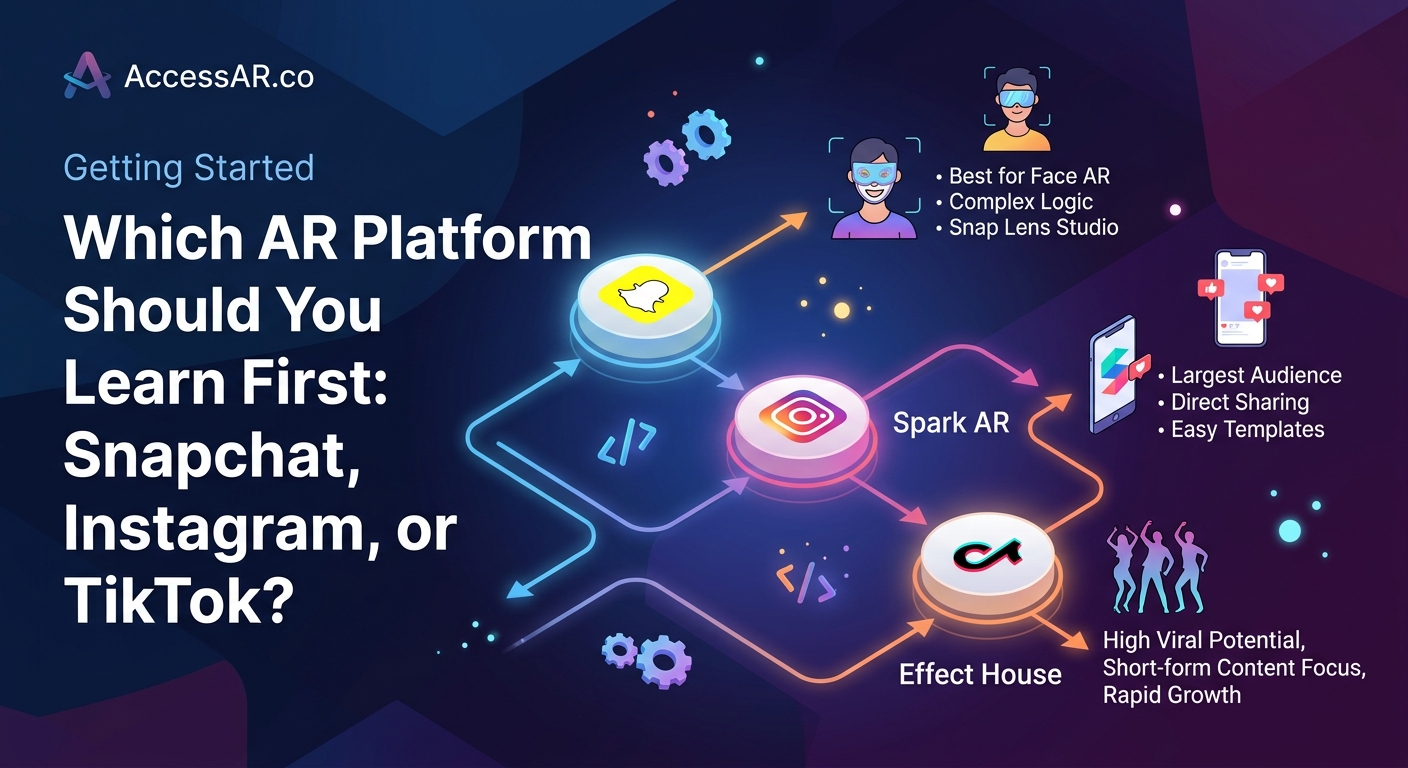
Your career objectives should drive your platform choice, not personal preference.
If you want to work with brands and agencies, Instagram offers the clearest path. Beauty companies, fashion labels, and retail brands actively seek creators who can build Instagram AR experiences. The monetizing Instagram filters landscape has matured enough that you can charge $500 to $5,000 per filter depending on complexity.
TikTok suits creators who want to build a following first and monetize later. The platform’s discovery algorithm gives your effects exposure even without an established audience. Creators often gain thousands of effect uses within days of publishing.
Snapchat appeals to those targeting agency work or corporate clients. Major brands like Nike, Gucci, and Coca-Cola run sophisticated campaigns on Snapchat, creating demand for skilled Lens Studio developers.
Here’s how different goals align with each platform:
| Your Goal | Best Platform | Why It Works |
|---|---|---|
| Freelance client work | Direct business integration and established pricing | |
| Building a creator brand | TikTok | Algorithm favors new creators with engaging content |
| Agency employment | Snapchat | Corporate clients invest heavily in Lens Studio projects |
| E-commerce integration | Shopping features and try-on filters drive sales | |
| Viral reach | TikTok | Trending effects can reach millions organically |
| Advanced AR features | Snapchat | Most sophisticated tracking and interaction options |
Evaluating the learning curve for beginners
Time investment varies dramatically across platforms.
Instagram’s Meta Spark Studio lets most beginners publish their first filter within a few hours. The template library includes ready-made effects you can customize without touching code. Face filters, color adjustments, and simple animations require minimal technical knowledge.
TikTok’s Effect House follows a similar beginner-friendly approach. The interface mirrors other creative software, making it accessible if you’ve used any design tools before. Most creators can build their first TikTok effect in an afternoon.
Snapchat’s Lens Studio demands more upfront learning. The software offers powerful features like hand tracking, body segmentation, and advanced physics, but these capabilities come with complexity. Expect to spend several days understanding the basics before publishing anything useful.
Start with the platform where you can publish something within your first week. Early wins build momentum and keep you motivated through the harder learning phases.
Breaking down the technical requirements
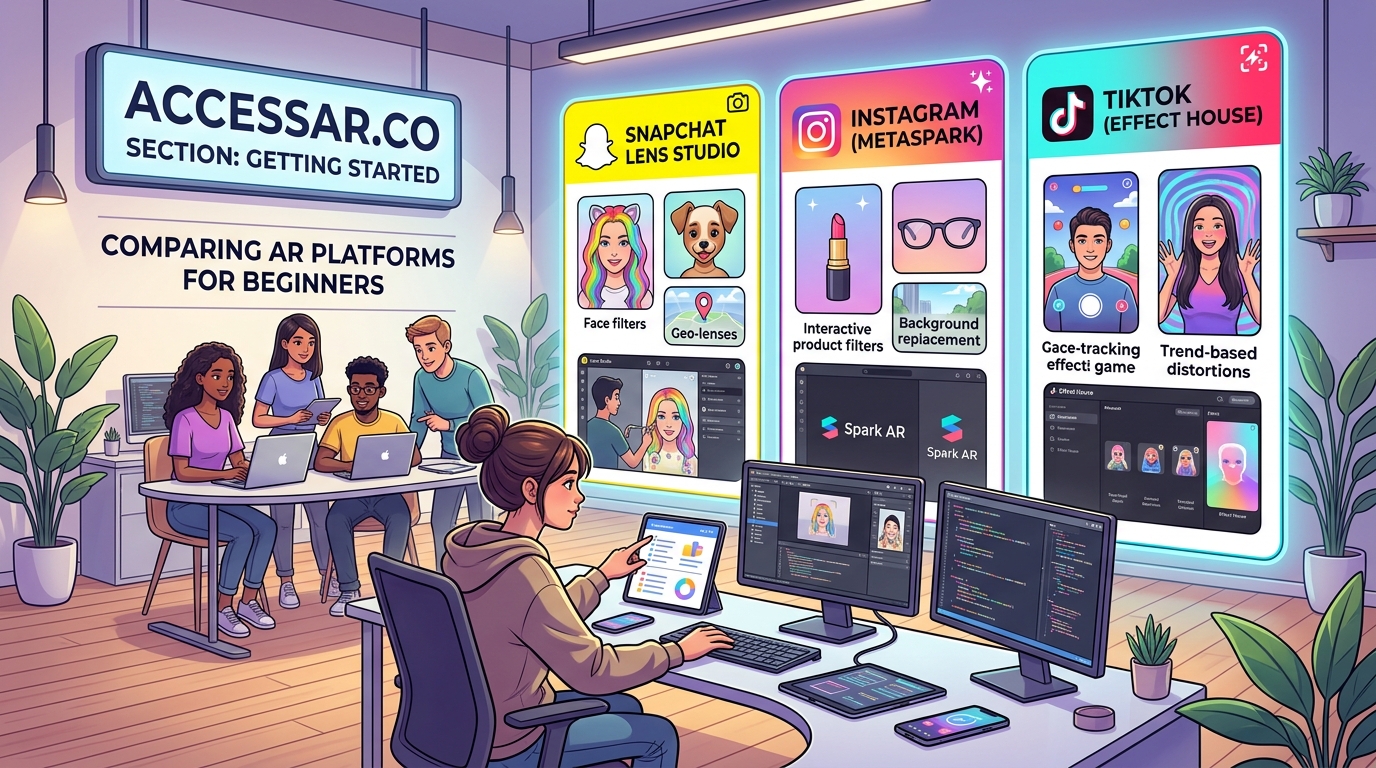
Each platform has different barriers to entry beyond just software complexity.
Instagram requires a Facebook account and adherence to Meta’s community standards. The approval process typically takes 1 to 3 days, and rejections happen frequently for effects that use copyrighted content or violate brand guidelines.
TikTok needs an Effect House account separate from your regular TikTok profile. The approval process runs faster than Instagram, often within 24 hours, but the platform strictly enforces rules around misleading effects and age-appropriate content.
Snapchat demands the most technical setup. You’ll need to join the Lens Creator program, which involves agreeing to creator terms and potentially waiting for approval. The Snapchat lens approval process scrutinizes effects more carefully than other platforms.
Hardware requirements stay relatively light across all three platforms. A laptop from the last five years should handle any of these tools, though Snapchat’s Lens Studio benefits from a dedicated graphics card for complex effects.
Analyzing audience reach and engagement patterns
Understanding how users interact with AR effects helps you choose strategically.
Instagram users typically try filters when creating Stories or Reels. They search for effects by name or discover them through friends’ content. Engagement happens in short bursts, with users trying multiple filters before settling on one for their post.
TikTok users encounter effects while scrolling their For You page. They see the effect in action first, then decide whether to try it themselves. This preview-first approach means your effect needs to look compelling in other people’s videos, not just when someone tries it directly.
Snapchat users often save favorite lenses and return to them repeatedly. The platform’s camera-first design means users open the app specifically to create content, making them more likely to experiment with new effects.
Viral potential differs significantly:
- Instagram filters spread through Stories and Reels, with hashtags and effect pages driving discovery
- TikTok effects can explode overnight if they align with trending sounds or challenges
- Snapchat lenses gain traction through Snap codes, featured placements, and brand promotion
Considering monetization timelines
How fast can you start earning money on each platform?
Instagram offers the shortest path to paid work. Once you’ve published 3 to 5 quality filters, you can pitch local businesses or reach out to brands in your niche. Small businesses often pay $300 to $800 for custom filters, while larger brands budget thousands.
TikTok monetization typically follows an indirect path. You build effects that go viral, then leverage that success to attract brand partnerships. The platform doesn’t have a built-in marketplace for effects, so you’ll need to market yourself separately.
Snapchat provides official creator programs and partnerships, but these require substantial proven success. Most creators earn through freelance work with agencies rather than direct platform payments.
Follow this progression to start earning:
- Build 5 to 7 effects that showcase different skills and styles
- Document your process and results with screenshots showing usage numbers
- Create a simple portfolio site or Instagram page highlighting your best work
- Reach out to 10 to 15 small businesses in industries that use AR heavily
- Offer your first project at a reduced rate to build testimonials
- Raise prices as you gain experience and proven results
Weighing community and learning resources
The availability of tutorials and support varies across platforms.
Instagram benefits from Meta’s extensive documentation and a large creator community. YouTube hosts thousands of Spark AR tutorials covering everything from basic face tracking to complex shader effects. Online communities on Reddit and Discord provide troubleshooting help within hours.
TikTok’s Effect House launched more recently, so the learning ecosystem is still growing. Official tutorials cover the basics well, but advanced techniques often require experimentation. The creator community actively shares tips, making it easier to get help with specific problems.
Snapchat offers the most comprehensive official resources through Lens Studio’s built-in tutorials and templates. The Lens Studio template library includes dozens of starting points for common effect types. However, the smaller creator community means you’ll find fewer third-party tutorials compared to Instagram.
Assessing long-term career prospects
Think beyond your first few effects to where each platform could take you.
Instagram skills transfer well to other Meta properties and AR development in general. Experience with Spark AR prepares you for WebAR development and other face-tracking applications. The platform’s connection to e-commerce creates ongoing demand for try-on filters and product visualization.
TikTok expertise positions you as someone who understands viral content and Gen Z engagement. Brands increasingly want creators who can make effects that people actually use, not just technically impressive demos. Your TikTok portfolio proves you understand what resonates with younger audiences.
Snapchat mastery opens doors to high-paying agency work and corporate projects. Companies building AR experiences for marketing campaigns often prefer Lens Studio because of its advanced capabilities. Learning Snapchat’s platform demonstrates technical depth that sets you apart from beginners.
Making your decision with a practical test
Stop researching and start creating.
Pick the platform that aligns best with your primary goal, then commit to publishing your first effect within one week. Don’t aim for perfection. Aim for completion.
- If you chose Instagram, start with a simple color filter or face effect using a template
- If you picked TikTok, build a trending effect type you’ve seen perform well recently
- If you selected Snapchat, work through the beginner tutorial series before attempting your own design
Track your experience during this first week:
- How frustrated did you feel while learning the software?
- Did you publish something, or did technical barriers stop you?
- Can you imagine creating 10 more effects on this platform?
- Does the platform’s audience match the type of content you want to create?
Your answers reveal more than any comparison chart. The right platform is the one where you’ll actually keep creating, not the one with the most features or largest audience.
After publishing your first effect, give yourself permission to switch if needed. Many successful AR creators started on one platform, built foundational skills, then expanded to others. Your first choice doesn’t lock you in forever.
Common mistakes that derail beginners
Avoid these pitfalls that slow down most new creators.
Trying to learn all three platforms simultaneously spreads your attention too thin. You’ll make slower progress on each and likely quit before mastering any. Choose one platform and stick with it for at least 30 days.
Waiting until you feel “ready” before publishing anything keeps you stuck in tutorial mode. Your first effects will look rough compared to professional work, and that’s completely normal. You learn more from publishing and getting feedback than from watching another tutorial.
Copying trending effects exactly won’t help you stand out or develop your own style. Study successful effects to understand what works, then add your own creative twist. Brands hire creators who bring fresh ideas, not perfect imitators.
Ignoring the technical requirements for approval wastes time. Each platform has specific file size limits, performance requirements, and content guidelines. Read these before building your effect, not after it gets rejected.
Comparing your beginner work to creators who’ve been building effects for years kills motivation. Everyone starts with basic filters and awkward animations. Focus on improving your own skills rather than measuring yourself against established creators.
Finding your starting point today
The best platform for you depends on where you want to be in six months.
Choose Instagram if you want to start earning money from AR work as soon as possible. The combination of beginner-friendly tools and established monetization paths makes it the practical choice for most aspiring creators.
Pick TikTok if you’re more interested in creative expression and viral reach than immediate income. The platform rewards innovative effects and gives you the best chance of seeing your work used by thousands of people.
Select Snapchat if you’re willing to invest more time upfront for access to advanced features and corporate client work. The steeper learning curve pays off with higher-value projects and more impressive portfolio pieces.
Whichever platform you choose, your success depends more on consistent practice than perfect platform selection. Create something this week, publish it next week, and build from there. The AR industry needs more creators who ship work, not more people endlessly planning their first effect.