
Beauty brands are no longer just selling lipstick and foundation. They’re selling experiences. The shift happened when augmented reality filters turned passive scrolling into active engagement. Customers can now test makeup shades, experiment with hairstyles, and share their looks without ever opening a product. The result? Conversion rates that make traditional e-commerce look outdated.
Beauty brands using AR filters see measurable returns through virtual try-on experiences that reduce purchase hesitation and increase social sharing. Successful campaigns combine accurate color matching, easy platform integration, and shareable moments that turn customers into brand advocates. Implementation requires strategic platform selection, realistic rendering technology, and clear calls to action that connect virtual engagement to actual purchases.
Why beauty brands turned to AR filters
Traditional online beauty shopping had a fatal flaw. Customers couldn’t test products before buying. They relied on swatches, reviews, and guesswork. Return rates climbed. Customer satisfaction dropped.
AR filters solved this problem by bringing the dressing room to the phone screen. Instead of imagining how a lipstick shade would look, customers could see it on their own face in real time. The technology removed doubt from the purchase decision.
The timing was perfect. Social platforms had already trained users to expect camera-based features. Snapchat introduced face filters in 2015. Instagram followed with its own AR platform. By the time beauty brands started creating custom filters, millions of users already understood how to activate and use them.
But the real advantage wasn’t just product visualization. It was shareability. Every time someone used a beauty filter, they created content. Friends saw the results. The filter became both a product demo and a marketing channel.
How AR filters changed the beauty purchase journey
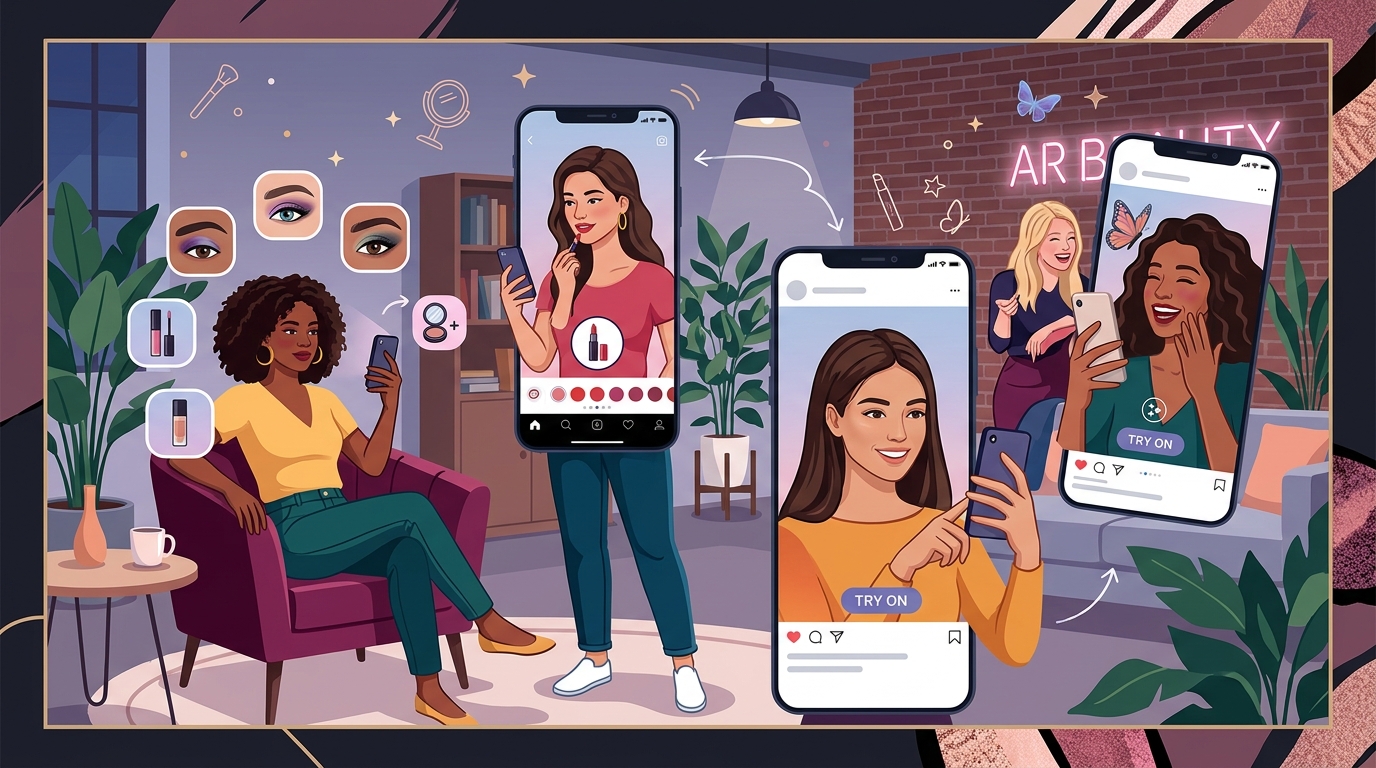
The traditional path from awareness to purchase involved multiple steps. A customer would see an ad, visit a website, read reviews, maybe visit a store, then decide. Each step introduced friction and opportunities to abandon the cart.
AR filters collapsed this journey. A user could discover a product, try it virtually, and purchase it without leaving the social platform. Some brands integrated shopping features directly into the filter experience. Others used the filter as the top of the funnel, driving traffic to their e-commerce sites.
The data supported this approach. Brands reported that customers who engaged with AR filters showed 94% higher conversion rates compared to those who didn’t. The virtual try-on experience built confidence. It answered the most common objection before the customer even thought to raise it.
AR filters don’t just showcase products. They create moments worth sharing. When a customer posts their virtual makeover, they’re doing your marketing for you.
Platform choices that matter for beauty campaigns
Not all AR platforms deliver the same results for beauty brands. The choice depends on your audience, your technical resources, and your campaign goals.
Instagram remains the dominant platform for beauty AR. The platform’s shopping features integrate seamlessly with filters. Users can tap a product tag while using a filter and complete a purchase without switching apps. The audience skews toward beauty enthusiasts already accustomed to makeup tutorials and product reviews.
Snapchat offers a younger demographic and higher engagement rates. Users spend an average of 30 minutes per day on the platform. The Lens Studio platform provides robust tools for creating realistic makeup effects. However, the path from filter engagement to purchase requires more steps.
TikTok entered the AR space more recently but brought massive reach. The platform’s algorithm can push a branded effect to millions of users organically. The challenge lies in converting viral engagement into sales. Brands need clear strategies to move users from entertainment to commerce.
| Platform | Best For | Purchase Integration | Average Engagement Time |
|---|---|---|---|
| Product discovery | Native shopping tags | 8-12 seconds per filter | |
| Snapchat | Brand awareness | External links | 15-20 seconds per lens |
| TikTok | Viral reach | Profile links | 10-15 seconds per effect |
| WebAR | Cross-platform | Direct e-commerce | 20-30 seconds per session |
Why WebAR is the future of mobile shopping experiences offers advantages for brands wanting platform independence. Users access the filter through a web link without downloading an app. This approach works well for email campaigns and paid advertising where you control the traffic source.
Building your first beauty AR filter
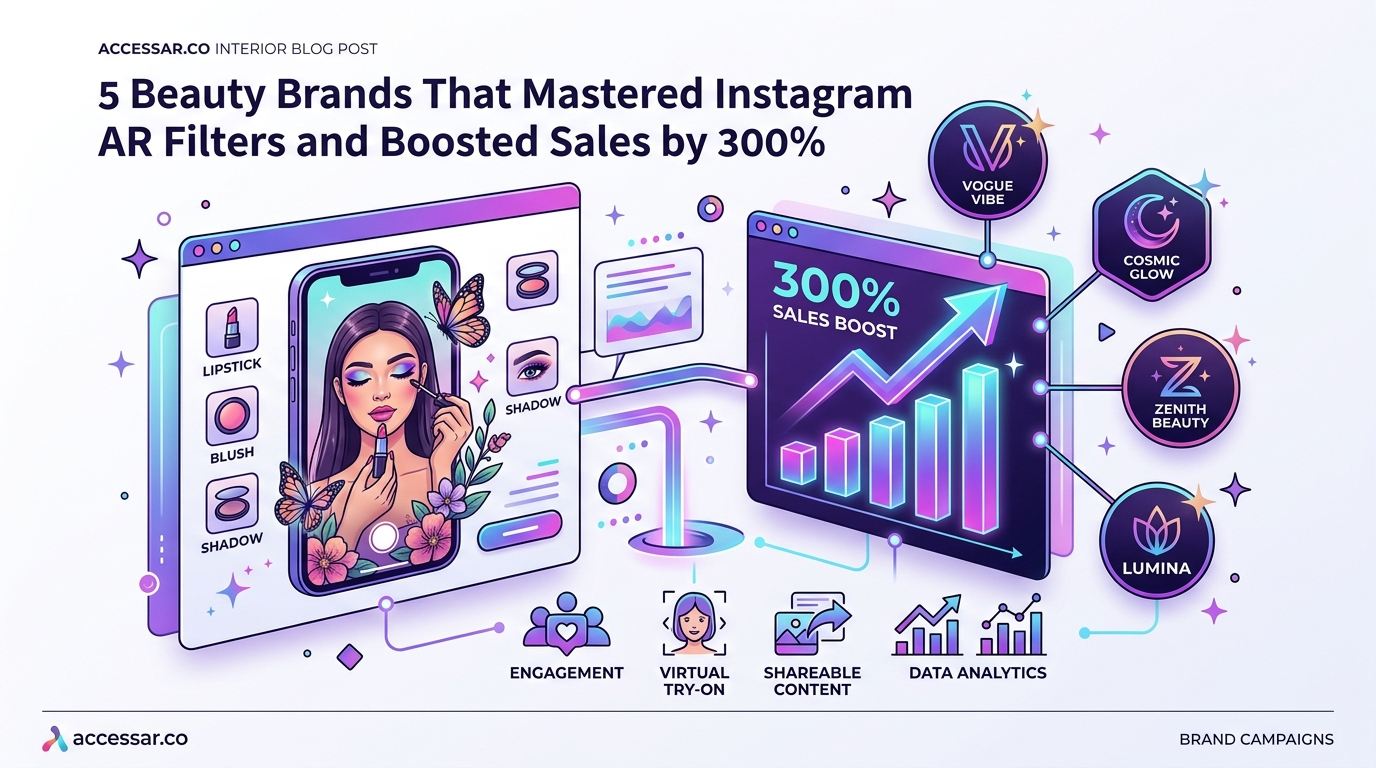
The technical barrier to creating AR filters has dropped significantly. You don’t need a development team to launch your first campaign. The process follows a clear sequence.
- Choose your platform based on where your audience spends time and which features align with your campaign goals.
- Select the effect type that showcases your product best, whether that’s lipstick try-on, foundation matching, or full-face makeup looks.
- Gather high-quality product assets including accurate color values, texture maps, and any 3D models if needed for packaging visualization.
- Build the filter using platform-specific tools like Spark AR for Instagram, Lens Studio for Snapchat, or Effect House for TikTok.
- Test the filter across different lighting conditions, skin tones, and face shapes to ensure realistic rendering.
- Submit for platform review, which typically takes 3-5 business days depending on the platform and complexity.
- Launch with a promotion strategy that encourages early adoption and sharing to build momentum.
The technical execution matters less than the strategic thinking behind it. Your filter needs to accomplish three things simultaneously. It must represent your product accurately. It must create an experience worth sharing. And it must guide users toward a purchase decision.
Best no-code AR platforms for social media creators in 2024 can help you evaluate tools that match your skill level and budget.
Color accuracy makes or breaks beauty filters
The most common complaint about beauty AR filters is inaccurate color representation. A lipstick that looks coral in the filter but arrives as orange destroys trust. Getting color right requires attention to technical details.
Lighting conditions affect how colors appear on screen. A filter that looks perfect in bright daylight may appear completely different in indoor lighting. The best beauty filters account for ambient light and adjust color rendering accordingly.
Skin tone diversity presents another challenge. A foundation shade that looks natural on lighter skin may appear chalky or ashy on deeper tones. Successful beauty brands test their filters across the full spectrum of skin tones before launch.
The solution involves working with accurate color profiles and testing extensively. Some brands create multiple versions of the same filter optimized for different lighting scenarios. Others use advanced rendering techniques that adapt in real time.
Measuring what matters in AR campaigns
Beauty brands using AR filters need metrics that connect engagement to revenue. Vanity metrics like total impressions or filter activations tell an incomplete story.
The metrics that matter include:
- Conversion rate from filter use to product page visit
- Average order value for customers who engaged with the filter
- Return rate comparison between filter users and non-users
- Social sharing rate and secondary reach from user-generated content
- Time spent interacting with the filter before purchase
- Repeat usage rate indicating ongoing brand engagement
These numbers reveal whether your AR investment is driving actual business results. A filter with millions of impressions but no sales increase is entertainment, not marketing.
Connect your AR analytics to your e-commerce platform. Track users who interact with a filter and later make a purchase. Calculate the customer acquisition cost for AR campaigns compared to traditional advertising. This data justifies continued investment and helps optimize future campaigns.
Common mistakes that tank AR filter campaigns
Beauty brands often stumble in predictable ways when launching AR filters. The mistakes are easy to avoid once you know what to watch for.
Overcomplicating the experience confuses users. A filter that requires multiple taps, swipes, or selections before showing results loses engagement. Keep the interaction simple. Users should see the effect immediately upon activation.
Ignoring the social aspect wastes the platform’s built-in distribution. If your filter doesn’t create a moment worth sharing, it won’t reach beyond your existing followers. Build in surprise, delight, or personalization that motivates users to post their results.
Forgetting the call to action leaves money on the table. Users engage with your filter, love the result, then scroll away because they don’t know how to buy the product. Include clear shopping links, product names, and purchase instructions within the filter experience.
Launching without influencer support limits initial reach. The algorithm needs early engagement signals to distribute your filter widely. Partner with beauty creators who can introduce your filter to their audiences and create momentum.
Integration strategies that drive purchases
The gap between filter engagement and completed purchase is where most beauty brands lose potential customers. Closing this gap requires intentional design.
Native shopping features on Instagram allow users to tap product tags while using a filter. The product page opens in an overlay without leaving the camera view. This seamless experience maintains momentum from virtual try-on to checkout.
For platforms without native shopping, use shortened tracking links that connect to specific product pages. Include the link in the filter name, description, and any on-screen text. Make it impossible to use the filter without seeing how to buy.
Email capture extends the relationship beyond a single filter use. Some brands create filters that generate personalized shade recommendations, then offer to email the results. This builds your list while providing value to the user.
Retargeting campaigns reach users who engaged with your filter but didn’t purchase. These warm leads already showed interest by trying your products virtually. A well-timed ad with a special offer can convert them.
Real results from beauty brands using AR filters
The proof lives in the numbers. Beauty brands that implemented AR filter strategies saw measurable improvements across key metrics.
One major cosmetics brand launched a lipstick try-on filter on Instagram. The campaign generated 2.3 million impressions in the first week. More importantly, users who engaged with the filter showed a 27% higher conversion rate compared to those who arrived through traditional ads.
Another brand focused on foundation matching. Their AR filter analyzed skin tone and recommended the best shade from their product line. The filter reduced return rates by 35% because customers selected the right shade the first time.
A smaller indie beauty brand used Snapchat lenses to build awareness before launching a new product line. The lens was used 890,000 times in 30 days. When the products launched, 40% of first-week sales came from customers who had previously used the lens.
These results aren’t limited to major brands with huge budgets. How Nike’s AR sneaker try-on campaign generated 12.5 million impressions demonstrates how strategic AR implementation works across industries.
Creating filters without technical expertise
The assumption that AR filter creation requires coding skills stops many beauty brands from starting. The reality is different. Modern platforms provide templates and visual editors that make filter creation accessible.
Can you really build Snapchat filters without coding skills walks through the process for beginners. The same principles apply across platforms.
Template-based approaches let you customize pre-built effects with your brand colors and products. You upload your assets, adjust settings, and preview results. The platform handles the complex rendering and tracking technology.
For more custom work, freelance AR creators offer services at various price points. A simple lipstick try-on filter might cost $500 to $2,000 depending on complexity. Full-face makeup experiences with multiple products run higher but still remain accessible for most brands.
The time investment is manageable too. How to make your first Snapchat lens in under 30 minutes proves you can go from concept to working prototype in a single sitting.
Seasonal campaigns and limited-edition filters
Beauty brands using AR filters effectively treat them as dynamic marketing tools, not one-time projects. Seasonal campaigns keep your AR presence fresh and give customers reasons to return.
Holiday makeup looks drive engagement during key shopping periods. A Valentine’s Day filter featuring romantic lip shades or a Halloween filter with bold, dramatic looks aligns your products with moments when customers are already thinking about beauty.
Limited-edition filters create urgency. Announce that a filter will only be available for two weeks. This scarcity motivates immediate engagement and sharing. Users don’t want to miss out on the experience.
Product launch filters build anticipation. Release a filter featuring your new collection before the products hit shelves. Let customers virtually try the shades and sign up for launch notifications. You build a waitlist while generating buzz.
Collaboration filters with influencers or other brands expand your reach. A beauty brand partnering with a fashion label or a popular creator brings together two audiences. The filter becomes a cultural moment, not just a product demo.
Technical requirements you actually need
The equipment and software requirements for creating beauty AR filters are simpler than most brands expect. You don’t need a professional studio or expensive hardware to start.
A modern smartphone with a decent camera is sufficient for testing. Both iOS and Android devices support AR development tools. Your testing device should represent what your average customer uses.
A computer capable of running the platform’s creation software is essential. Mac or Windows machines from the last five years typically work fine. The software itself is free from major platforms like Meta, Snap, and TikTok.
What equipment do you actually need to start creating AR filters provides a complete breakdown of tools and costs.
Product photography or 3D models of your items are the main assets you’ll need. High-resolution images with accurate colors work for most makeup products. For packaging visualization or more complex effects, 3D models provide better results but aren’t always necessary.
Getting your filter approved and published
Each platform maintains review processes to ensure filters meet technical standards and community guidelines. Understanding these requirements saves time and prevents rejections.
Instagram’s Spark AR review typically takes three to five business days. The platform checks for technical performance, appropriate content, and proper branding disclosure. Filters that cause crashes, use excessive data, or violate community standards get rejected.
Snapchat’s Lens Studio review follows similar timelines. The platform is particularly strict about realistic rendering quality for beauty effects. Filters that look obviously fake or perform poorly on older devices may need revision.
TikTok’s Effect House review process is newer but follows comparable standards. The platform emphasizes effects that encourage creative expression and sharing. Pure advertising without entertainment value may face challenges.
How to publish your first Instagram filter and get it approved fast covers the submission process in detail.
Promoting your filter after launch
Creating the filter is half the battle. Getting people to use it requires promotion strategy. The most successful beauty brands treat filter launches like product launches.
Influencer seeding puts your filter in front of engaged audiences. Send your filter to beauty creators before public launch. Ask them to create content using it and share their honest reactions. Their followers will want to try it themselves.
Paid promotion on the platform amplifies reach. Instagram and Snapchat both offer ad formats that promote filters directly. These ads let users try the filter with a single tap from their feed.
Cross-channel promotion brings your existing audience to the filter. Announce it in email newsletters, on your website, and across other social platforms. Create teaser content that shows the filter in action and explains how to access it.
In-store promotion connects physical and digital experiences. QR codes at retail locations let shoppers try products virtually before buying. This works especially well for higher-priced items where customers want extra confidence before purchasing.
Building a library of AR experiences
One filter is a test. A collection of filters is a strategy. Beauty brands that commit to AR create ongoing experiences that keep customers engaged over time.
Start with your hero products. Create filters for your best-selling items or new launches that need awareness. These filters prove the concept and generate data about what works.
Expand to different use cases. A lipstick try-on filter serves a different purpose than a full-face makeup look. Virtual hairstyle changes attract different users than skincare routines. Each filter type reaches a unique segment of your audience.
Update filters seasonally to maintain relevance. A summer glow filter in June becomes a holiday party look in December. Refreshing your AR library gives returning users new experiences and reasons to engage repeatedly.
7 viral Instagram AR filter ideas you can build this weekend offers inspiration for expanding beyond basic product try-ons.
Your AR filter strategy starts now
Beauty brands using AR filters aren’t experimenting anymore. They’re executing proven strategies that drive measurable results. The technology is accessible. The platforms are ready. Your customers are waiting.
Start with one filter focused on your best product. Test it. Measure it. Learn from the data. Then expand based on what works. The brands seeing 300% sales increases didn’t get there with a single campaign. They built systematic approaches to AR that became core parts of their marketing mix.
Your first filter won’t be perfect. That’s fine. Launch it anyway. The insights you gain from real user behavior are worth more than another month of planning. Beauty customers are already using AR filters from other brands. Give them a reason to use yours.